
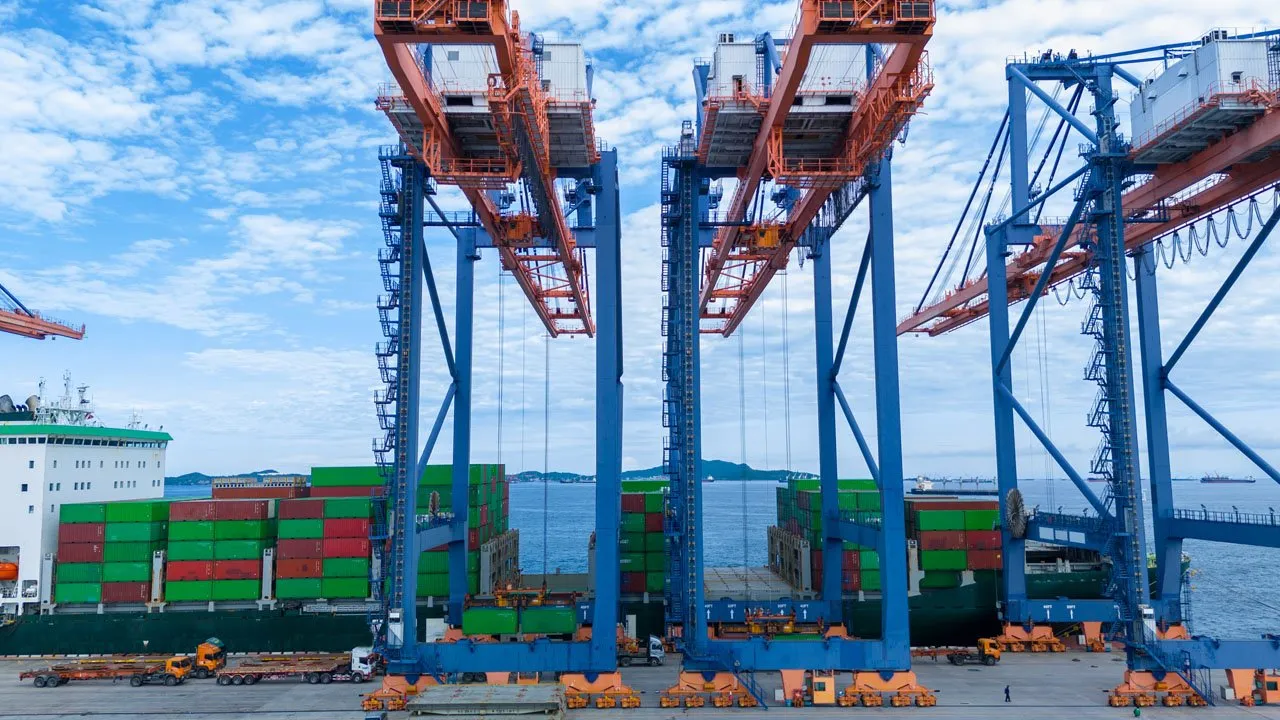
Optimising Global Trade: Mastering Container Turnaround Efficiency
Understanding Container Turnaround Time (CTT)
In today's global marketplace, the efficient movement of goods is essential. Container Turnaround Time (CTT) is a key performance indicator that reflects the speed and efficiency of this process. CTT measures a container's time within a port, from arrival to departure.
Several factors influence CTT, including vessel size and type, port operational efficiency, availability of cargo handling equipment, and communication effectiveness between stakeholders. A reduced CTT leads to a more efficient supply chain, minimising costs and mitigating disruptions.
The Importance of Efficient Container Turnaround
Efficient CTT offers significant advantages for all parties involved. Shipping lines benefit from improved vessel utilisation, reduced demurrage charges, and increased profitability. Ports experience enhanced throughput capacity, reduced congestion, and improved global competitiveness.
Technology is crucial for CTT optimisation. Real-time tracking systems, automated gate operations, and data analytics provide valuable insights into container movements, facilitating informed decision-making and streamlined processes.
Strategies to Improve Container Turnaround
Implementing specific strategies can substantially reduce port dwell time and improve CTT. These include:
- Optimising cargo handling procedures using advanced equipment and techniques.
- Implementing efficient gate operations to minimise entry and exit delays.
- Fostering collaboration between shipping lines, port authorities, customs officials, and hauliers.
Open communication and coordinated efforts ensure seamless information flow and timely task execution.
Leveraging Automation and Digitalisation
Automation and digitalisation are vital for improving CTT. Real-time monitoring systems enable immediate identification and resolution of potential bottlenecks.
Automated processes, such as automated gate systems and Electronic Data Interchange (EDI), reduce manual handling and minimise errors. Data-driven decision-making, facilitated by advanced analytics, enables proactive process adjustments and continuous improvement.
The Wider Impact of CTT Efficiency
The benefits of efficient CTT extend beyond immediate stakeholders. Reduced port congestion leads to lower emissions and a smaller environmental impact.
Faster turnaround times contribute to a more reliable and predictable supply chain, benefiting businesses and consumers. Improved predictability reduces the risk of stockouts and delays, ensuring a smoother flow of goods to global markets, enhancing customer satisfaction and strengthening brand reputation.
Investing in Global Trade Efficiency
In today's dynamic global trade environment, efficient container turnaround is a strategic imperative. The shipping industry can create a more efficient, sustainable, and resilient supply chain by adopting technological advancements, optimising processes, and fostering collaborative partnerships.
This investment in efficiency translates to significant economic benefits, improved environmental performance, and enhanced global competitiveness.
Frequently Asked Questions
What is Container Turnaround Time (CTT)?
Container Turnaround Time (CTT) is the time a shipping container spends at a port, from arrival to departure. It's a key indicator of port efficiency.
Why is CTT important?
Efficient CTT reduces costs, minimises delays, and improves the overall efficiency of the supply chain for all stakeholders.
What factors affect CTT?
Factors include vessel size, port infrastructure, cargo handling equipment, customs procedures, and stakeholder communication.
How can CTT be improved?
CTT can be improved through automation, digitalisation, optimised cargo handling, and better collaboration among all parties involved.
What is the role of technology in CTT?
Real-time tracking, automated gate systems, and data analytics are crucial in monitoring and optimising container movements.
What are the benefits of reduced CTT for shipping lines?
Shipping lines benefit from higher vessel utilisation, reduced demurrage fees, and improved profitability.
How does efficient CTT impact the environment?
Reduced port congestion leads to lower emissions and a smaller carbon footprint, contributing to a more sustainable supply chain.
What is demurrage?
Demurrage is a charge levied by shipping lines for detaining containers beyond the agreed-upon free time. Efficient CTT helps minimise these charges.
How does collaboration improve CTT?
Strong collaboration between shipping lines, port authorities, customs, and hauliers ensures seamless information flow and timely task execution.
What is EDI, and how does it help?
Electronic Data Interchange (EDI) automates the exchange of information between parties, reducing manual handling and improving accuracy.
