
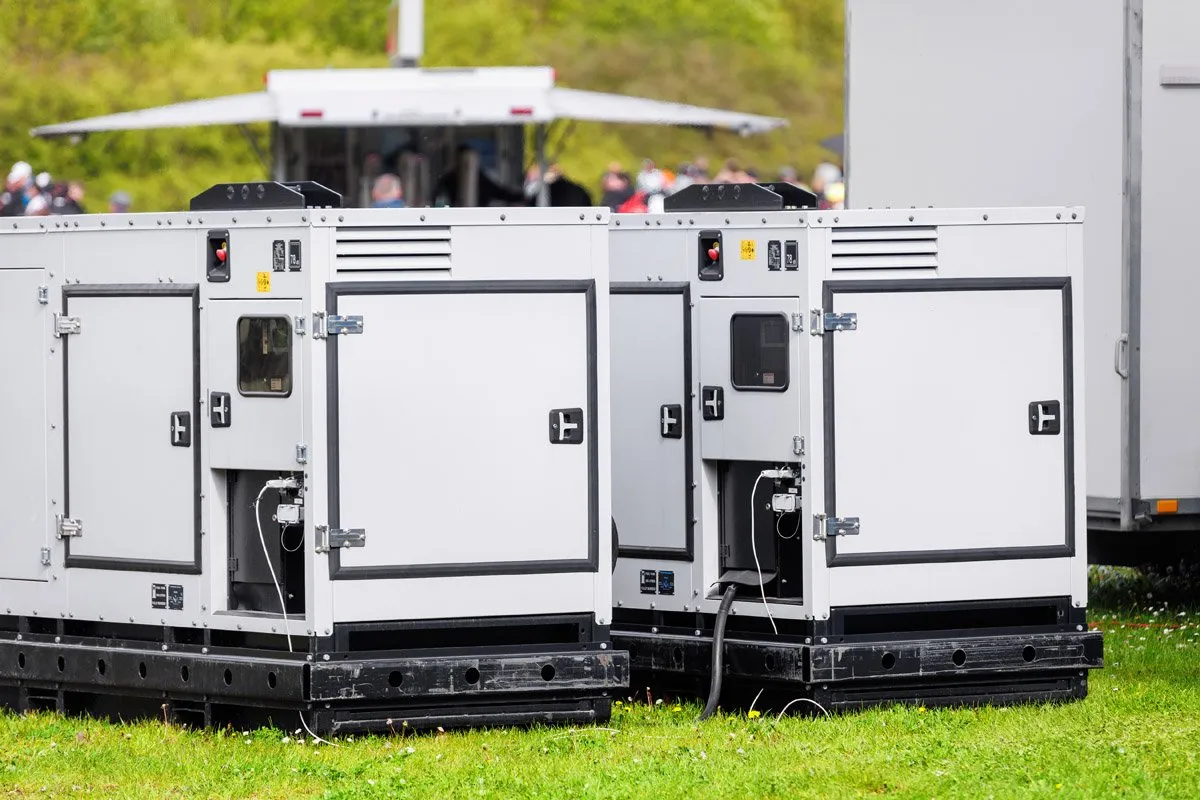
Guide to Shipping Heavy Generators Globally
The international transport of heavy generators is a critical, high-stakes operation. These power units are the backbone of energy projects, data centres, hospitals, construction sites, and emergency response operations. A generator arriving damaged, late, or non-compliant with hazardous goods regulations can halt a multi-million-pound project or delay critical services. This is not standard freight; it is a complex discipline within project logistics.
These units are invariably classified as Out-of-Gauge (OOG) and Heavy Lift. More importantly, they are often classified as Dangerous Goods (IMDG) due to residual fuel and oil. Shipping a generator demands a logistics partner with proven, engineering-led expertise. Ocean Cargo, with over 25 years of experience in managing high-consequence project cargo, provides this specialist, end-to-end service. We manage every variable, from IMDG compliance and lift-plan engineering to final-mile delivery, ensuring your assets arrive safely and on schedule.
The Core Challenge: IMDG (Dangerous Goods) Compliance
The most critical, and most frequently overlooked, detail in generator shipping is compliance with hazardous materials regulations. Generators are machines, but to a shipping line, they are often Dangerous Goods.
- The Problem: Generators, primarily used or rental fleets, often contain residual fuel (diesel) and engine oil. The batteries also remain connected.
- IMDG Classification: This classifies the unit as a Dangerous Good under the IMDG (sea) code.
- Fuel/Oil: Typically falls under Class 3 (Flammable Liquid) or Class 9 (Miscellaneous Dangerous Goods).
- Batteries: Often fall under Class 8 (Corrosive).
- The Solution: The shipment must be accompanied by a certified Dangerous Goods Note (DGN). The unit must be correctly placarded, and the shipping line must give specific approval to load. Failure to declare this is a serious compliance violation that will result in the cargo being stopped, fined, and refused shipment. Ocean Cargo’s certified IMDG team manages this entire declaration process correctly from the start. We ensure the DGN is accurate, the unit is placarded, and the carrier has granted approval, preventing any compliance delays.
How Ocean Cargo Manages Generator Logistics End-to-End
Ocean Cargo provides a complete, door-to-door project management service. We act as your single point of accountability, orchestrating every element of the complex move. Our process is built on 25+ years of experience and is designed to de-risk your entire supply chain.
1. Initial Consultation and Technical Analysis
Our work begins with a deep analysis of your generator’s technical specifications. We review manufacturer drawings, weights, dimensions, lifting points, and the centre of gravity. Crucially, we verify the "as-shipped" state: Is it new? Has it been drained of all fluids? We establish the IMDG status immediately.
2. Detailed Engineering and Transport Planning
This is the critical, engineering-led phase. Our project logistics team designs the entire seamless move. This plan includes:
- Route Surveys: We conduct detailed, on-the-ground surveys of the whole inland route, from factory to port and port to site, to identify bridge-load capacities, overhead clearances, and any potential civil works needed.
- Handling & Securing Plans: We create detailed method statements (MS) for lifting and a lashing plan for securing the cargo, including cradle designs if necessary.
- Transport Selection: We select and book the correct vessel (Break Bulk or container) and specify the exact inland transport required (e.g., multi-axle low-loader trailers).
- IMDG Compliance: We prepare all Dangerous Goods documentation for carrier approval.
3. Execution and On-Site Supervision
With a robust plan, our team manages the physical execution. An Ocean Cargo representative is often on-site to supervise critical milestones, including loading, lashing, and IMDG placarding. We ensure all procedures are followed to the letter.
4. Customs, Compliance, and Final Delivery
Our in-house customs compliance team manages all complex export and import formalities in advance. We coordinate with port authorities, crane operators, and the final site team to schedule a precise delivery window, ensuring the site is ready to receive the unit.
Transport Modes for Heavy Generators
Ocean Cargo is multimodal. We do not force one solution; we design the optimal one for your specific generator, balancing cost, safety, and speed.
Sea Freight: The Global Standard
Sea freight is the primary mode for intercontinental generator shipping. The specific method is critical:
- Out-of-Gauge (OOG) on Flat Rack: This is the most common and cost-effective solution for most large generators (e.g., up to 40 tonnes). The unit is loaded onto a 20ft or 40ft flat rack container, where it is expertly lashed and choked.
- Break Bulk: For the largest, multi-hundred-tonne generators. The unit is lifted (Lift-On/Lift-Off or Lo-Lo) directly into the hold or onto the deck of a specialised Break Bulk vessel. Ocean Cargo can manage a full or partial vessel charter for your project.
- Roll-On/Roll-Off (Ro-Ro): For generators that are "containerised" (built within a standard container frame) or mounted on a skid or trailer, Ro-Ro shipping is an excellent, safe, and fast option. It minimises lifting and handling.
Air Freight: For Critical Components and Emergencies
While a 50-tonne generator cannot be air-freighted, critical components can. If a project is down or an emergency response requires a part (e.g., a control panel, a new alternator), Ocean Cargo’s 24/7 air freight team can charter an aircraft to move vital components globally in 24-48 hours, preventing costly downtime.
Specialised Road Freight: The Critical First and Last Mile
Every shipment begins and ends with road freight. This is a project in itself. We deploy specialised, multi-axle low-loader trailers that can handle the weight and height, ensuring compliance with road and bridge load limits. This leg of the journey is fully managed, including all permits, police escorts, and route-clearance activities.
Risk Mitigation: Lifting, Lashing, and Protection
A generator is not just a block of steel. It is a sensitive, high-value asset with a delicate alternator, radiator, and control panel, often housed in a thin acoustic enclosure (canopy). Our risk mitigation strategy is built on engineering principles and decades of hands-on experience.
Expert Lifting and Handling (Heavy Lift)
A generator must only be lifted by its designated lifting points, which are typically integrated into the heavy-duty steel base frame (skid).
- Lifting Plans: We create a detailed lift plan for every operation, ensuring the crane capacity is appropriate.
- The Risk of Crushing: Lifting a generator incorrectly (e.g., with angled slings) can apply a horizontal, compressive (crushing) force to the acoustic enclosure (canopy), which is not structural. This can destroy the enclosure, leading to costly repairs.
- The Solution (Spreader Bars): We mandate the use of spreader bars for all multi-point lifts. This ensures the slings are perfectly vertical, applying the lift force only to the strong base frame and altogether avoiding any crushing force on the canopy.
- Shock & Tilt Monitoring: We attach digital impact and tilt recorders to the generator to provide a complete, auditable record of the handling conditions it experienced door-to-door.
Securing for Transit (Lashing)
A generator is a high and often-unbalanced centre-of-gravity (HCG) item. Securing it for a sea voyage is a technical skill.
- Choking: On a flat rack, the unit is "choked" (braced) with ISPM15-compliant timber to prevent all longitudinal and transverse (side-to-side) movement.
- Lashing: The unit is then lashed to the flat rack’s high-capacity lashing points using multiple heavy-duty chains and ratchets. The lashing angles and number of chains are calculated to exceed the forces the cargo will experience in a heavy sea.
- Sea-Fastening: For break-bulk cargo, the generator’s skid is often welded (sea-fastened) directly to the vessel deck or 'tween-deck using steel supports, as per a marine surveyor’s approved plan.
Navigating Global Customs & Compliance
Shipping high-value, specialist equipment globally requires deep customs expertise. Ocean Cargo's in-house customs compliance team manages this entire process, preventing costly border delays.
- HS Code Classification: We ensure the correct HS (commodity) code is used (e.g., 8502.11 for a diesel generator <75 kVA, 8502.12 for 75-375 kVA), which is vital for calculating import duties and taxes.
- Temporary Import (TI): If your generator is being shipped internationally for a specific project (e.g., construction, a music event), for repair, or as part of a rental fleet, it should not be subject to complete import duties and VAT. Ocean Cargo manages the "Temporary Import" (TI) customs procedure, lodging the necessary bond or carnet with local customs to allow the unit to enter duty-free for a set period.
- Incoterms: For high-risk, high-value project cargo, Incoterms are critical. We provide expert advice, often recommending a DAP (Delivered at Place) solution where Ocean Cargo manages the entire complex, high-risk journey from your door to the final project site.
Route Planning, Transit Times, and Cost Drivers
A smart logistics plan considers all variables that affect your timeline and budget.
Route Planning and Transit Times
The total door-to-door transit time is influenced by:
- First/Last Mile Logistics: Securing road permits for OOG and Heavy Lift cargo can take several weeks. The inland journey itself is slow and often restricted to night-time or weekend travel.
- Port Dwell Time: Time is required at the port for the complex, pre-planned lifting, lashing, and IMDG compliance checks.
- Vessel Schedule: Breakbulk sailings are far less frequent than container vessel sailings. Our project team plans the entire timeline around the most reliable vessel schedule.
Key Pricing Factors
We provide fully transparent, all-inclusive project quotations. The key drivers of your cost will be:
- Volume and Dimensions: OOG cargo is priced based on the "lost" container slots it occupies.
- Weight: Heavy Lift cargo (typically >20 tonnes) incurs significant port surcharges for the use of special heavy-lift cranes.
- Mode of Transport: The cost hierarchy is typically Air Charter (for parts) > Break Bulk > OOG Flat Rack > Ro-Ro.
- Ancillary Costs: These are a significant component. Our quotes include all costs for route surveys, inland escorts, police permits, crane hire, IMDG compliance, and lashing materials/labour.
Digital Visibility, Milestones, and Communication
When your most valuable, project-critical assets are in transit, clear and proactive communication is essential. Ocean Cargo provides a dedicated 24/7 project manager as your single point of contact, ensuring you always speak to someone who knows your shipment's exact status.
Key Tracking Milestones
Our system tracks every critical event, including:
- Booking Confirmation: Your project plan, route survey, and method statements are approved.
- IMDG Approval: Carrier has accepted the DGN for the fuel/oil.
- Cargo Collected: Your generator is on its way from the factory on a specialist trailer.
- Secured at Port: We provide photographic confirmation that the unit is correctly lashed and placarded.
- Export Customs Cleared: Your export declaration is approved.
- Vessel Departed: Your cargo is on the water.
- Vessel Arrived: Your cargo has reached the destination port.
- Import Customs Cleared: Your shipment has been released by local customs (e.g., from its Temporary Import bond).
- On-Carriage for Delivery: The final-mile specialist transport is loaded and en route.
- Proof of Delivery (POD): The shipment is complete, and a signed POD is available.
Sustainability Levers in Generator Transport
Ocean Cargo is committed to providing responsible logistics solutions, even for the most complex heavy-lift projects. We support your sustainability goals by:
- Modal Choice: We prioritise sea freight (the most carbon-efficient mode per tonne-mile) for all generators, reserving air freight only for genuine, project-critical emergencies.
- Carrier Selection: We partner with shipping lines and carriers that are investing heavily in sustainability, from using Very Low Sulphur Fuel Oil (VLSFO) to pioneering new technologies like LNG-powered vessels.
- Route Optimisation: Our detailed route planning not only ensures safety but also minimises transport distance and fuel burn, avoiding unnecessary mileage and idling time at borders or due to unforeseen obstacles.
Your Step-by-Step Guide to Shipping with Ocean Cargo
We make the complex process of shipping a generator transparent and straightforward. Here is our typical end-to-end process:
- Initial Enquiry & Quotation: You contact us with the generator’s details (technical drawings/data sheet, dimensions, weight, lifting points, and fluid status). Our project team analyses the data and provides a detailed, all-inclusive quotation and transport plan.
- Booking and Planning: Upon your acceptance, we book the vessel space and all specialist transport. We create the detailed project plan, including lift plans, route surveys, and the Dangerous Goods Note (DGN).
- Collection and Preparation: We arrange for specialised multi-axle trailers to collect the generator. We oversee the loading and installation of impact recorders and IMDG placarding.
- Export Formalities: Our in-house customs compliance team prepares and files the export declaration and all necessary IMDG and customs documents.
- Port Operations and Sea Transit: The generator is delivered to the port and professionally lifted (using spreader bars) and secured (lashed or sea-fastened). We monitor the voyage and provide you with tracking updates.
- Import Clearance: Before arrival, our partners at the destination use the pre-lodged documents to file the import declaration (e.g., lodging the Temporary Import bond), ensuring immediate clearance upon arrival.
- Final Delivery: Once cleared, the generator is lifted onto local specialised transport and delivered directly to the final project site, as per the pre-agreed delivery schedule.
- Proof of Delivery (POD): We provide you with a final Proof of Delivery, confirming your generator has arrived safely.
Frequently Asked Questions
Is my generator considered "Dangerous Goods"?
Very likely, yes. If it contains any residual fuel, oil, or has a connected battery, it is classified as Dangerous Goods (IMDG) and must be declared. Shipping it as "empty" when it is not is a serious compliance violation. Ocean Cargo's certified team manages this for you.
How do you lift a heavy generator without damaging it?
We only lift a generator by its designated lifting points, which are typically integrated into the heavy-duty base frame (skid). We mandate the use of specialist spreader bars to ensure the lifting slings are vertical. This prevents them from applying compressional (crushing) force to the thin acoustic enclosure (canopy).
What is OOG (Out-of-Gauge) cargo?
OOG (Out-of-Gauge) cargo refers to any item that exceeds the standard dimensions of a 20ft or 40ft shipping container and requires specialised handling, equipment (such as flat racks), and transportation methods. Most large generators are OOG.
My generator is going to an event for 6 months. Do I have to pay import VAT?
No. If the equipment is being temporarily imported for a specific project, rental fleet, or event, we can manage the "Temporary Import" (TI) customs procedure. This allows the goods to enter the country with duty and VAT suspended. Our customs team are experts in this.
Is cargo insurance necessary for my generator?
While not mandatory, we strongly recommend all-risk cargo insurance. A carrier's standard liability is minimal and based on weight, which will not cover the high value of a generator. We can assist you in securing appropriate, comprehensive project cargo insurance.
How do I get a quote for shipping my generator?
To get a fast, accurate project logistics quote, please get in touch with our team with the generator's technical data sheet. We need: dimensions (L x W x H), gross weight, lifting points, fluid status (fuel/oil), and the collection/delivery postcodes. This technical data is essential for our team to engineer the correct solution.
What is the HS Code for a generator?
The HS Code depends on the generator's power output. For example, a diesel generator with an output not exceeding 75 kVA is typically classified under HS Code 8502.11. A generator from 75 kVA to 375 kVA is under HS Code 8502.12. Our customs team will ensure the correct code is used.
