
Understanding the Role of a Consolidator in Global Freight
What is a Consolidator in Shipping?
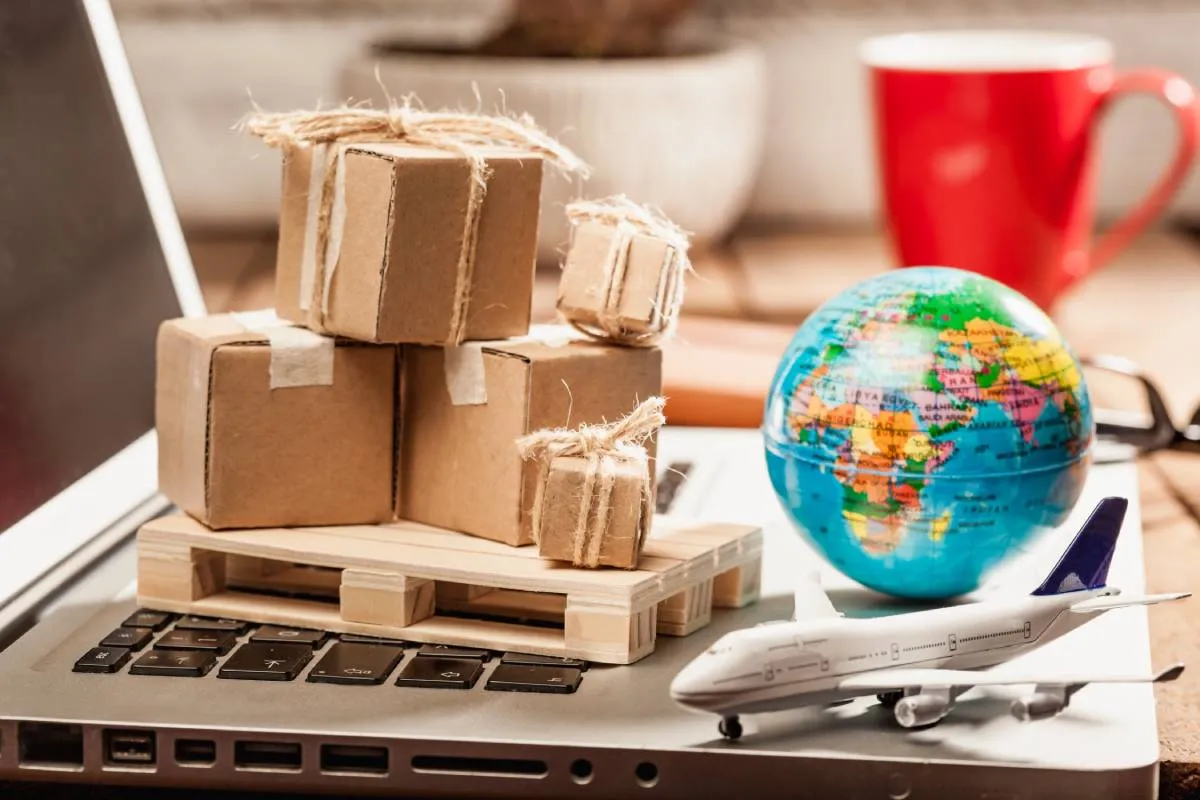
In the intricate world of global logistics, efficiency and cost-effectiveness are paramount. For businesses looking to ship goods internationally, especially those with smaller volumes, the concept of a "consolidator" is not just beneficial but often essential. At its core, a consolidator is a firm or company that specialises in combining multiple smaller shipments from various senders into a single, larger consignment. This consolidated cargo is then transported as a single unit, typically under a single bill of lading, to a common destination.
This process is particularly vital for Less than Container Load (LCL) or Less than Truckload (LTL) shipments. Instead of each small shipment occupying a fraction of a container or truck and incurring disproportionately high costs, a consolidator pools these smaller consignments together. This allows businesses to leverage the economies of scale typically associated with Full Container Load (FCL) or Full Truckload (FTL) shipping, even when their own cargo volume doesn't warrant it.
Ocean Cargo, as a leading freight forwarder, frequently acts as a consolidator, offering businesses a streamlined and cost-effective pathway for their international shipments. Our expertise ensures that your goods, no matter their size, are handled with the same precision and care as larger consignments, benefiting from optimised routes and reduced transit times.
Why Consolidators are Crucial for Modern Supply Chains
The role of a consolidator extends far beyond simply combining boxes. They are a linchpin in modern supply chains, offering a multitude of advantages that directly impact a business's bottom line and operational efficiency.
- Cost Reduction: This is arguably the most significant benefit. By sharing the cost of a full container or truck with other shippers, businesses avoid paying for unused space. This dramatically lowers per-unit shipping costs, making international trade more accessible for SMEs.
- Increased Shipping Frequency: Consolidators often have regular shipping schedules to popular destinations. This means that even if your individual shipment isn't large enough to fill a container, it can still depart frequently, reducing waiting times and improving lead times.
- Reduced Risk of Damage: Consolidated cargo is typically packed and secured professionally within the container or trailer. This minimises movement during transit, offering better protection against damage compared to smaller, individually handled parcels.
- Simplified Logistics: Dealing with multiple carriers, customs procedures, and documentation can be overwhelming. A consolidator, often working in conjunction with a freight forwarder like Ocean Cargo, handles these complexities, providing a single point of contact and simplifying the entire process for the shipper.
- Environmental Benefits: By optimising container and vehicle utilisation, consolidation reduces the number of partially filled shipments, leading to fewer journeys and a smaller carbon footprint.
- Access to Global Networks: Consolidators, especially those integrated with established freight forwarders, have extensive networks and relationships with carriers worldwide. This provides access to a broader range of routes and services that individual shippers might not otherwise obtain.
Ocean Cargo's comprehensive sea freight services and air freight solutions frequently utilise consolidation to provide our clients with competitive rates and reliable transit times, whether they are shipping excavators and diggers to the UAE or smaller commercial goods to the USA.
The Consolidation Process: A Step-by-Step Guide
Understanding how consolidation works can help businesses appreciate the value a consolidator brings. The process is meticulously managed to ensure efficiency and cargo integrity.
- Booking and Collection: The shipper books their consignment with a freight forwarder or consolidator. Ocean Cargo arranges for the collection of the goods from the shipper's premises or receives them at our designated warehouse.
- Warehousing and Segregation: Upon arrival at the consolidator's facility, goods are carefully inspected, weighed, measured, and categorised. They are then temporarily stored, awaiting other compatible shipments destined for the same general region.
- Cargo Assembly and Packing: Once enough compatible shipments are gathered, they are expertly loaded and secured into a single shipping container (for sea freight) or onto a pallet/unit load device (for air freight). This step requires careful planning to maximise space and ensure cargo safety.
- Documentation and Customs: The consolidator prepares a master bill of lading or air waybill for the entire consolidated shipment. Individual house bills of lading are issued to each shipper. They also manage the necessary customs declarations and compliance for the consolidated cargo, streamlining the process for all parties. Our customs compliance expertise is invaluable here.
- Main Carriage: The consolidated shipment is then transported via the chosen mode – sea, air, or road – to the destination country. For urgent consignments, air freight is often the optimal choice, while sea freight services offer a cost-effective solution for larger volumes.
- Deconsolidation at Destination: Upon arrival at the destination port or airport, the consolidated container or unit is moved to the consolidator's local facility. Here, the cargo is "deconsolidated" – carefully unloaded and separated back into individual shipments.
- Customs Clearance and Delivery: Each individual shipment undergoes final customs clearance. Once cleared, the consolidator or their local agent arranges for the final delivery to the respective consignees. For example, our customs brokerage for the USA ensures smooth entry for goods destined for American businesses.
Throughout this process, Ocean Cargo maintains transparent communication, providing updates and ensuring that each step is executed flawlessly, from origin to final delivery.
Consolidators vs. Freight Forwarders: Understanding the Distinction
While often used interchangeably, it's important to understand the nuanced relationship between a consolidator and a freight forwarder. A consolidator is a specific type of service provider that focuses on combining shipments. A freight forwarder, like Ocean Cargo, offers a much broader range of services, often *including* consolidation as one of their core offerings.
- Freight Forwarder: A comprehensive logistics partner that acts as an intermediary between shippers and various transportation services (sea, air, road, rail). They handle everything from booking cargo space, preparing documentation, customs clearance, cargo insurance, warehousing, and often, consolidation. They manage the entire supply chain on behalf of the client.
- Consolidator: A company that specifically performs the function of combining multiple small shipments into one larger shipment to achieve better rates and efficiency. While some consolidators might only offer this specific service, many are also freight forwarders or work closely with them.
Ocean Cargo embodies the role of a full-service freight forwarder, seamlessly integrating consolidation services into our offerings. This means that when you partner with us, you benefit from both the cost efficiencies of consolidation and the end-to-end management of a dedicated logistics expert. Whether you need sea freight services to Canada or specialist project logistics for wind turbine components to Australia, we manage every detail.
Choosing the Right Consolidator (or Freight Forwarder with Consolidation Services)
Selecting the right partner for your consolidated shipments is a critical decision that can impact your supply chain's reliability and cost-effectiveness. Here are key factors to consider:
- Experience and Reputation: Look for a company with a proven track record in consolidation and international freight. Ocean Cargo boasts over 25 years of industry experience, building trust and delivering precision.
- Network and Reach: Ensure they have a robust network of agents and partners at both origin and destination to handle deconsolidation and final delivery efficiently. Our global network ensures seamless operations worldwide.
- Communication and Transparency: A good consolidator will keep you informed at every stage of the shipping process. Ocean Cargo prides itself on transparent communication and proactive updates.
- Customs Expertise: Navigating international customs regulations is complex. Choose a partner with strong customs compliance capabilities to avoid delays and penalties. Our dedicated team ensures smooth customs clearance.
- Cargo Handling and Security: Inquire about their warehousing facilities, cargo handling procedures, and security measures to ensure your goods are protected.
- Customer Service: A responsive and knowledgeable customer service team is invaluable for addressing queries and resolving issues promptly. Our hands-on, consultative approach means you always have a dedicated team supporting you.
- Competitive Pricing: While cost is important, balance it with reliability and service quality. The cheapest option isn't always the best in the long run.
By choosing Ocean Cargo, you gain a strategic partner that simplifies complex supply chains, offering reliable consolidation services backed by extensive expertise and a commitment to integrity and execution. Contact us today to discuss your specific shipping needs.
Is a consolidator the same as a carrier?
No, a consolidator is not the same as a carrier. A carrier (e.g., a shipping line, airline, or trucking company) owns and operates the actual vessels, aircraft, or vehicles that transport the goods. A consolidator, on the other hand, acts as an intermediary, combining shipments from multiple clients to fill a carrier's container or vehicle. They book space with carriers but do not own the transport assets themselves.
What types of goods are best suited for consolidation?
Consolidation is ideal for Less than Container Load (LCL) or Less than Truckload (LTL) shipments. This includes a wide range of commercial goods that are not large enough to fill an entire shipping container or truck on their own. It's particularly beneficial for small to medium-sized businesses, e-commerce retailers, and those shipping samples or prototypes. While most general cargo can be consolidated, hazardous materials or extremely fragile items may require special handling or direct shipping.
How does consolidation save money?
Consolidation saves money by allowing multiple shippers to share the cost of a full container or vehicle. When you ship LCL or LTL, you only pay for the space your cargo occupies within the consolidated shipment, rather than paying for the entire container. This leverages the economies of scale associated with full load shipping, significantly reducing per-unit transportation costs for smaller consignments.
What is the difference between a master bill of lading and a house bill of lading?
A master bill of lading (MBL) is issued by the actual carrier (e.g., shipping line) to the consolidator for the entire consolidated shipment. It covers all the individual consignments within that container. A house bill of lading (HBL) is then issued by the consolidator (or freight forwarder) to each individual shipper, covering their specific portion of the consolidated cargo. The HBL acts as a receipt and contract of carriage between the shipper and the consolidator.
Can Ocean Cargo handle both consolidation and deconsolidation?
Yes, Ocean Cargo provides comprehensive services that include both consolidation at the origin and deconsolidation at the destination. As a full-service freight forwarder, we manage the entire process, from collecting your goods and combining them with other shipments, to handling customs clearance and arranging final delivery to the consignee. Our global network ensures seamless operations at both ends of the supply chain.
