
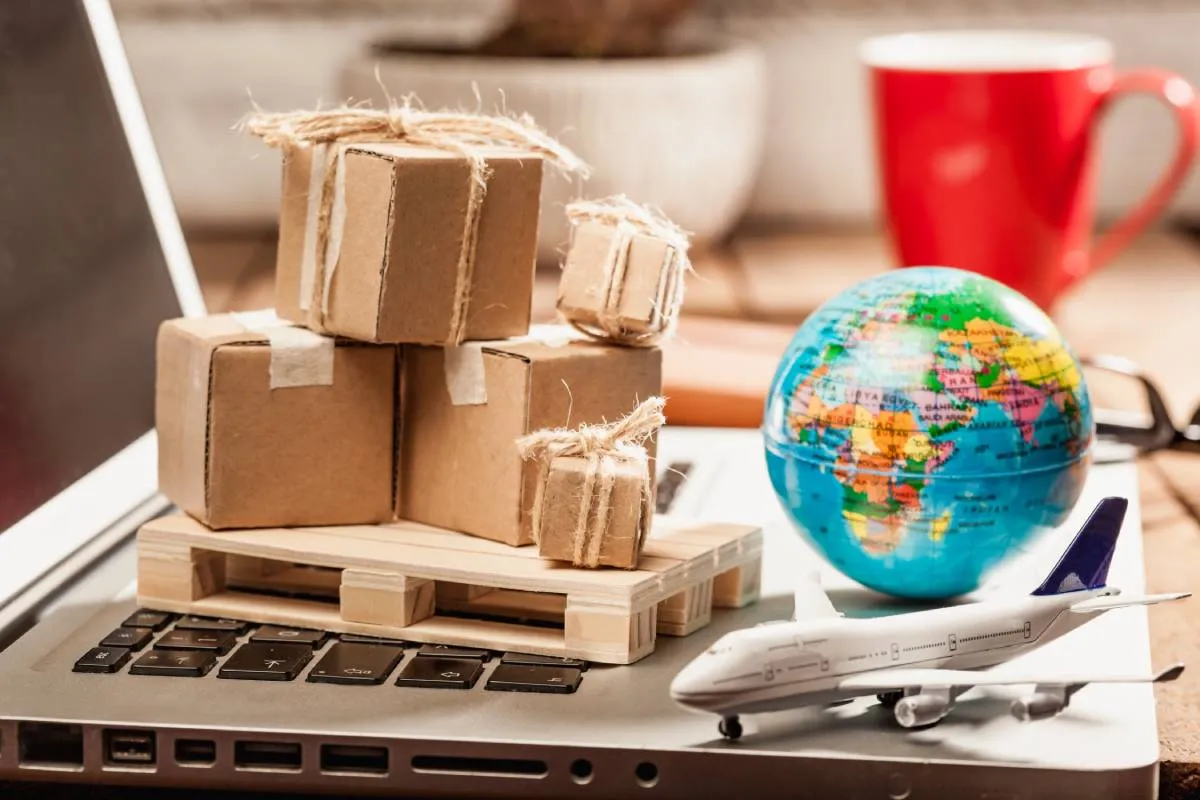
Understanding "Movement" in Freight Forwarding: Your Guide to Seamless Logistics
What Does "Movement" Truly Mean in Global Shipping?
In the intricate world of freight forwarding, the term "movement" is far more encompassing than its everyday definition. It refers to the entire act or process of changing the position of an object – your cargo – from its origin to its final destination. For businesses engaged in international trade, understanding the nuances of cargo movement is critical to ensuring efficiency, cost-effectiveness, and timely delivery. At Ocean Cargo, we specialise in orchestrating these complex movements, transforming potential logistical headaches into streamlined, predictable journeys for your goods.
From the moment your goods leave the factory floor to their arrival at the customer's warehouse, every step constitutes a "movement." This includes not just the main leg of the journey (e.g., across the ocean or through the air) but also the crucial pre-carriage and on-carriage stages, customs clearance, and even the internal handling within ports and warehouses. A truly effective freight forwarder, like Ocean Cargo, manages all these interconnected movements as a single, cohesive operation.
The Lifecycle of Cargo Movement: A Step-by-Step Breakdown
To fully appreciate the complexity and importance of "movement," let's break down the typical stages your cargo undergoes. Each stage requires meticulous planning, coordination, and expert execution to avoid delays and ensure compliance.
- Pre-Carriage Movement: This is the initial leg, where goods are transported from the seller's premises to the port or airport of loading. This often involves road freight, such as lorries or vans, and requires careful scheduling to meet vessel or flight cut-off times.
- Origin Port/Airport Handling: Once at the port or airport, cargo undergoes various movements, including offloading from the pre-carriage vehicle, temporary storage, consolidation (for LCL shipments), and loading onto the main carrier (vessel or aircraft). This stage involves significant coordination with port authorities and terminal operators.
- Main Carriage Movement: This is the primary, often longest, leg of the journey. It involves the actual sea freight or air freight transport across international borders. The choice of mode depends on factors like urgency, cost, and cargo type.
- Transhipment Movement (if applicable): For many global routes, cargo may need to be transferred from one vessel or aircraft to another at an intermediate port or airport. This transhipment involves offloading, temporary storage, and reloading, adding another layer of complexity to the movement chain.
- Destination Port/Airport Handling: Upon arrival, cargo is offloaded, moved to a holding area, and prepared for customs clearance. This stage also includes deconsolidation for LCL shipments and potential temporary storage.
- Customs Clearance Movement: Before goods can enter the destination country, they must undergo customs clearance. This involves the movement of documentation, payment of duties and taxes, and potential physical inspection of the cargo. Ocean Cargo's expert customs brokers ensure this process is as smooth as possible, preventing costly delays.
- On-Carriage Movement: This is the final leg, where cleared goods are transported from the destination port or airport to the buyer's final delivery address. Again, this typically involves road freight and requires precise scheduling to meet delivery windows.
- Final Delivery: The ultimate movement, where the cargo is offloaded at the consignee's premises, completing its journey.
Each of these "movements" is a critical link in the supply chain. A disruption at any point can have a ripple effect, leading to delays, increased costs, and potential damage to your reputation. This is why partnering with a seasoned freight forwarder like Ocean Cargo is indispensable.
Key Factors Influencing Cargo Movement Efficiency
Optimising the "movement" of your goods requires a deep understanding of various influencing factors. Ocean Cargo leverages its 25+ years of experience to navigate these complexities on your behalf:
- Incoterms: These internationally recognised trade terms define the responsibilities of buyers and sellers for the delivery of goods, including who pays for and manages each stage of movement. Understanding Incoterms is fundamental to avoiding disputes and ensuring smooth transitions.
- Mode of Transport: The choice between sea, air, or road freight significantly impacts transit times, costs, and the type of movement required. For example, shipping excavators and diggers to the UAE often necessitates specialised sea freight, while urgent components might go via air.
- Cargo Type and Characteristics: The nature of your goods (e.g., hazardous, oversized, perishable, high-value) dictates specific handling procedures, equipment, and regulatory compliance for each movement stage. Transporting sensitive wind turbine components to Australia, for instance, requires specialist project logistics and careful planning for every movement.
- Documentation: Accurate and complete documentation (bill of lading, air waybill, commercial invoice, packing list, customs declarations) is paramount. Errors can halt movement at any stage, particularly during customs clearance.
- Customs Regulations: Each country has unique import and export regulations. Navigating these requires expert knowledge to ensure seamless movement across borders. Our customs brokerage for the USA, for example, is designed to prevent delays.
- Infrastructure and Port Congestion: The efficiency of ports, airports, and road networks directly impacts movement times. Congestion can lead to significant delays, which Ocean Cargo actively monitors and mitigates.
- Technology and Tracking: Modern logistics relies on advanced tracking systems to provide real-time visibility of cargo movement, allowing for proactive problem-solving and informed decision-making.
Ocean Cargo: Mastering the Art of Global Movement
At Ocean Cargo, we don't just move cargo; we orchestrate seamless supply chain movements that empower your business. Our comprehensive suite of services is designed to manage every aspect of your international shipments, ensuring reliability, precision, and trust.
Our Approach to Efficient Cargo Movement:
- Strategic Planning: We work with you to develop tailored logistics plans that optimise every movement, from origin to destination, considering your specific needs, budget, and timelines.
- Global Network: Our extensive network of partners and agents worldwide ensures smooth transitions and efficient handling at every touchpoint, whether it's sea freight services to Canada or air freight to Asia.
- Customs Expertise: Our in-house customs compliance team navigates complex regulations, ensuring your goods move through borders without unnecessary delays or penalties.
- Proactive Communication: We keep you informed at every stage of your cargo's movement, providing real-time updates and addressing any potential issues before they escalate.
- Risk Management: We identify and mitigate potential risks associated with cargo movement, from weather delays to port strikes, ensuring contingency plans are in place.
- Dedicated Support: You'll have a dedicated account manager who understands your business and oversees every aspect of your shipment's movement.
With Ocean Cargo, you gain a strategic partner committed to simplifying your complex supply chain. We handle the intricacies of global movement so you can focus on your core business.
Frequently Asked Questions About Cargo Movement
What is the difference between "movement" and "transportation"?
While often used interchangeably, "transportation" typically refers to the act of carrying goods from one place to another (e.g., by truck, ship, or plane). "Movement," in a freight forwarding context, is a broader term encompassing all the individual actions and processes involved in changing the position of cargo, including loading, unloading, storage, customs clearance, and the actual transportation legs. Transportation is a component of the overall movement.
How do Incoterms affect cargo movement responsibilities?
Incoterms (International Commercial Terms) are crucial as they clearly define which party (buyer or seller) is responsible for specific stages of the cargo's movement, including who pays for and manages the main carriage, insurance, and customs clearance. For example, under "FOB" (Free On Board), the seller is responsible for movement up to the point the goods are loaded onto the vessel, after which the buyer takes over.
What are the biggest challenges in managing international cargo movement?
Key challenges include navigating complex customs regulations, managing unexpected delays (e.g., port congestion, weather, strikes), ensuring proper documentation, coordinating multiple modes of transport, and maintaining visibility across the entire supply chain. Ocean Cargo's expertise lies in mitigating these challenges through meticulous planning and proactive management.
Can Ocean Cargo handle complex or oversized cargo movements?
Absolutely. Ocean Cargo specialises in project logistics and handling complex, oversized, or heavy-lift cargo. We have the expertise and network to plan and execute the movement of challenging shipments, ensuring all necessary permits, equipment, and safety protocols are in place from origin to destination.
