
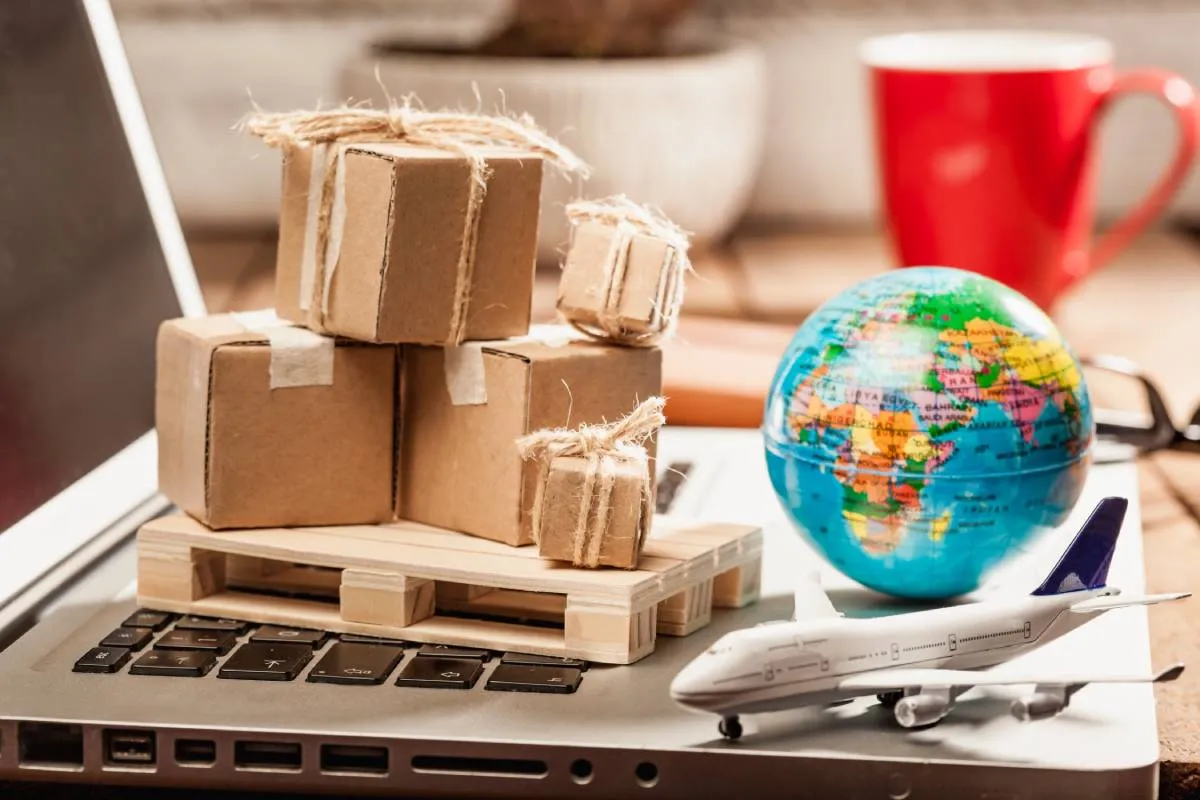
Understanding Types of Packing in Freight Forwarding: A Comprehensive Guide
The Critical Role of Packing in Global Logistics
In the intricate world of international freight forwarding, the journey of goods from origin to destination is fraught with potential challenges. From the moment cargo leaves the factory floor to its final delivery, it encounters various handling stages, environmental conditions, and transportation modes. This is precisely why the "Type of Packing" isn't just a minor detail; it's a fundamental pillar of successful, secure, and cost-effective global shipping.
At Ocean Cargo, we understand that the right packaging is your cargo's first line of defence. It protects against physical damage, theft, and environmental factors, while also ensuring compliance with international regulations and optimising space utilisation. A well-chosen and executed packing strategy can significantly reduce transit risks, prevent costly delays, and safeguard your investment. This comprehensive guide will demystify the various types of packing materials and methods, helping you make informed decisions for your next shipment.
Why Proper Packing is Non-Negotiable for International Shipments
The decision regarding the type of packing extends far beyond simply containing goods. It impacts every facet of the shipping process:
- Damage Prevention: The primary function. Proper packing absorbs shocks, resists punctures, and prevents crushing, protecting goods from the rigours of transit.
- Security: Robust packaging can deter theft and tampering, especially when combined with seals and other security measures.
- Compliance: Many countries and carriers have strict regulations regarding packaging, particularly for hazardous materials or certain commodities. Non-compliance can lead to fines, delays, or even cargo rejection.
- Cost Efficiency: Optimised packing can reduce volumetric weight, leading to lower freight charges. It also minimises the risk of damage, thereby avoiding insurance claims and replacement costs.
- Handling & Storage: Standardised and robust packaging facilitates easier handling by forklifts and other equipment, and allows for more efficient stacking and storage in warehouses and on vessels.
- Environmental Protection: Packaging protects goods from moisture, dust, extreme temperatures, and other environmental hazards during sea freight, air freight, or road freight.
Ocean Cargo's expertise in customs compliance and logistics planning ensures that your packing choices align with all necessary requirements, providing peace of mind.
Common Types of Packing Materials and Their Applications
The choice of packing material depends heavily on the nature of the goods, their fragility, value, destination, and the mode of transport. Here are the most common types:
1. Corrugated Cardboard Boxes
Description: Made from multiple layers of paperboard, featuring a fluted (wavy) layer between flat liners. Available in various strengths (single, double, or triple wall).
Applications: Ideal for a vast range of products, from consumer goods and electronics to textiles and non-fragile industrial components. Widely used for LCL (Less than Container Load) shipments.
Pros: Lightweight, cost-effective, recyclable, easy to handle, and offers good protection for many items.
Cons: Susceptible to moisture damage, crushing under heavy loads if not properly stacked, and not suitable for very heavy or highly fragile items without additional internal protection.
2. Wooden Crates and Cases
Description: Rigid containers constructed from timber, plywood, or OSB (Oriented Strand Board). Crates have an open framework, while cases are fully enclosed.
Applications: Essential for heavy, oversized, fragile, or high-value items such as machinery, industrial equipment, delicate instruments, and artwork. Often used for project cargo and shipments requiring maximum protection, for example, excavators and diggers to the UAE.
Pros: Excellent protection against impact, crushing, and punctures. Can be custom-built to fit specific cargo dimensions. Offers good security.
Cons: Heavier and more expensive than cardboard. Requires ISPM 15 certification for international shipping to prevent pest transmission, which Ocean Cargo can advise on.
3. Pallets (Wooden, Plastic, Metal)
Description: Flat transport structures that support goods in a stable fashion while being lifted by a forklift, pallet jack, or other jacking device. Goods are typically shrink-wrapped or strapped to the pallet.
Applications: Standardised unit for consolidating multiple smaller packages into a single, easily manageable unit. Crucial for efficient loading, unloading, and storage in warehouses and during FCL (Full Container Load) or LCL shipments.
Pros: Facilitates mechanical handling, improves loading/unloading efficiency, protects goods from ground moisture, and allows for stable stacking.
Cons: Adds height and weight to the shipment. Wooden pallets require ISPM 15 compliance for international use.
4. Drums and Barrels (Steel, Plastic, Fibre)
Description: Cylindrical containers designed for liquids, powders, and granular materials.
Applications: Steel drums for hazardous liquids, chemicals, and oils. Plastic drums for non-hazardous liquids and some chemicals. Fibre drums for dry bulk goods like Pharmaceuticals or food ingredients.
Pros: Excellent containment for bulk materials, robust, and often stackable. Steel drums offer high protection for Dangerous Goods.
Cons: Can be heavy when full. Requires specialised handling equipment. Compliance with Dangerous Goods regulations is critical.
5. Flexible Intermediate Bulk Containers (FIBCs) / Bulk Bags
Description: Large woven bags, typically made of polypropylene, designed to hold dry, flowable products like sand, fertiliser, plastic granules, or grain.
Applications: Cost-effective solution for bulk shipping of non-hazardous dry goods. Often used in agriculture, construction, and chemical industries.
Pros: Lightweight, collapsible when empty, cost-effective, and can hold significant weight (up to 2,000 kg).
Cons: Susceptible to punctures. Not suitable for liquids or very fine powders without liners. Requires careful handling to prevent tearing.
6. Shrink Wrap and Stretch Film
Description: Plastic films used to tightly wrap around products or palletised goods, providing stability and protection.
Applications: Securing items to pallets, bundling multiple packages, protecting goods from dust and moisture, and providing a basic level of tamper evidence.
Pros: Cost-effective, provides good stability for palletised loads, offers moisture and dust protection.
Cons: Offers minimal impact protection. Can be easily punctured or torn.
7. Dunnage and Void Fill
Description: Materials used to fill empty spaces within a package or container, brace cargo, and absorb shocks. Includes air bags, foam, bubble wrap, packing peanuts, and kraft paper.
Applications: Crucial for preventing cargo movement during transit, cushioning fragile items, and protecting against impact damage. Essential for securing cargo within wind turbine components to Australia shipments.
Pros: Prevents shifting, absorbs shocks, and adds an extra layer of protection.
Cons: Can add weight and volume if overused. Some materials (e.g., packing peanuts) can be messy.
Specialised Packing Considerations
Beyond the standard materials, certain types of cargo or destinations demand specific packing approaches:
- Hazardous Materials (HazMat): Requires UN-certified packaging that meets stringent international regulations (e.g., IMDG Code for sea, IATA DGR for air). This includes specific drums, boxes, and labels. Ocean Cargo provides expert guidance on customs brokerage for the USA and other regions for Dangerous Goods.
- Temperature-Sensitive Cargo: Requires insulated containers, thermal blankets, or active refrigeration (reefer containers) to maintain specific temperature ranges.
- Oversized/Project Cargo: Often necessitates custom-built crates, heavy-duty tarpaulins, and specialised securing methods directly onto flat racks or open-top containers.
- Fragile Goods: Demands extensive cushioning, double-boxing, and often custom foam inserts or suspension packaging.
- Moisture-Sensitive Goods: Requires desiccant packs, vacuum sealing, or moisture barrier bags, especially for long sea freight services to Canada voyages.
Ocean Cargo's Packing Expertise: Your Strategic Advantage
Choosing the correct type of packing is a complex decision that can significantly impact the safety, cost, and efficiency of your international shipments. At Ocean Cargo, we don't just move your goods; we partner with you to ensure they are prepared for the journey ahead.
Our experienced team offers:
- Consultative Advice: We assess your cargo's nature, value, fragility, and destination to recommend the most appropriate and cost-effective packing solutions.
- Compliance Assurance: We ensure your packing meets all international standards, including ISPM 15 for wood packaging and specific regulations for hazardous materials.
- Damage Mitigation: By advising on optimal packing, we help minimise the risk of damage, reducing potential claims and disruptions to your supply chain.
- Cost Optimisation: We help you select packing that protects your goods without incurring unnecessary weight or volumetric charges.
Don't leave the safety of your cargo to chance. Trust Ocean Cargo to provide the expertise and solutions you need for secure and efficient global shipping.
What is ISPM 15 and why is it important for wooden packing?
ISPM 15 (International Standards for Phytosanitary Measures No. 15) is an international regulation that requires all wood packaging material (WPM) used in international trade to be debarked and then heat treated or fumigated with methyl bromide. This prevents the spread of timber pests and diseases. Without ISPM 15 compliance, your wooden crates or pallets can be rejected at customs, leading to significant delays and additional costs.
How does packing affect freight costs?
Packing significantly impacts freight costs in two main ways: weight and volume. Heavier or bulkier packaging increases the overall chargeable weight or volumetric weight of your shipment, leading to higher freight charges. Additionally, inefficient packing that doesn't maximise container space can result in needing more containers or paying for unused space. Ocean Cargo helps clients optimise packing to minimise these costs.
Can Ocean Cargo assist with custom packing solutions?
Absolutely. For unique, oversized, or highly fragile cargo, standard packing may not suffice. Ocean Cargo works with a network of specialist packing providers who can design and build custom crates, cases, and internal bracing solutions tailored to your specific requirements, ensuring maximum protection for your valuable goods.
What is the difference between FCL and LCL packing requirements?
For FCL (Full Container Load) shipments, where your goods occupy an entire container, you have more control over how the cargo is loaded and secured. While robust packing is still essential, you might have more flexibility in internal bracing. For LCL (Less than Container Load) shipments, your cargo shares container space with other shippers' goods. This means your individual packages must be exceptionally well-packed and clearly labelled, as they will be handled multiple times and exposed to other cargo. Palletisation and robust outer packaging are highly recommended for LCL.
